Not a Still Life | Portrait of an Artist
Chapter 1: Creativity unleashed
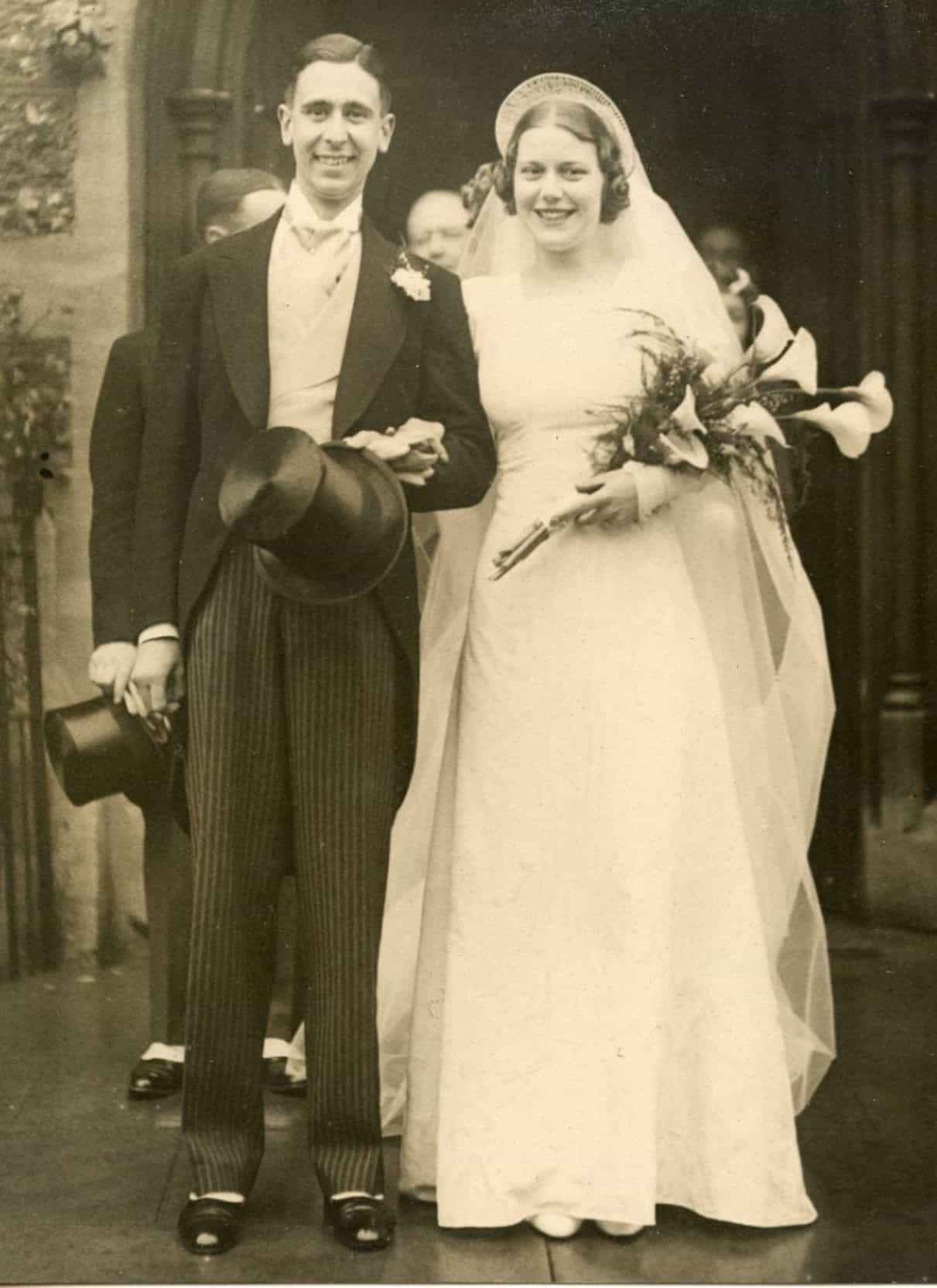
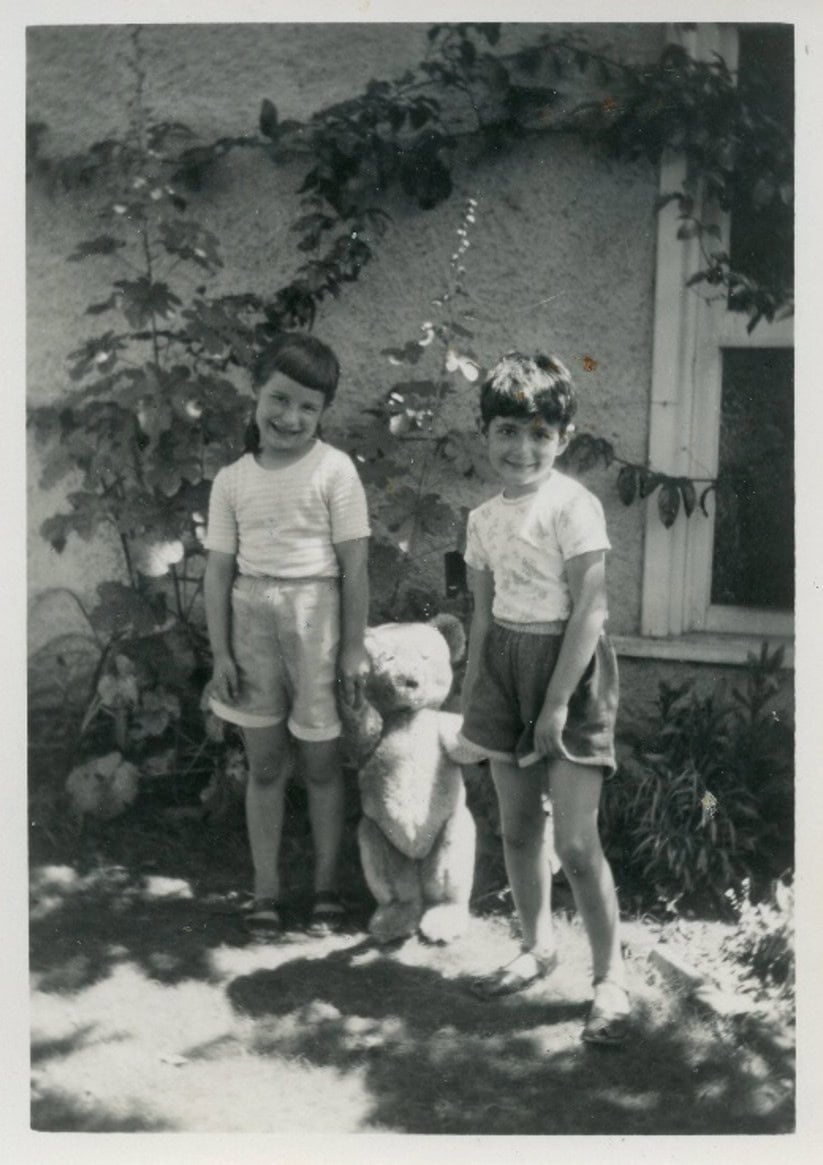
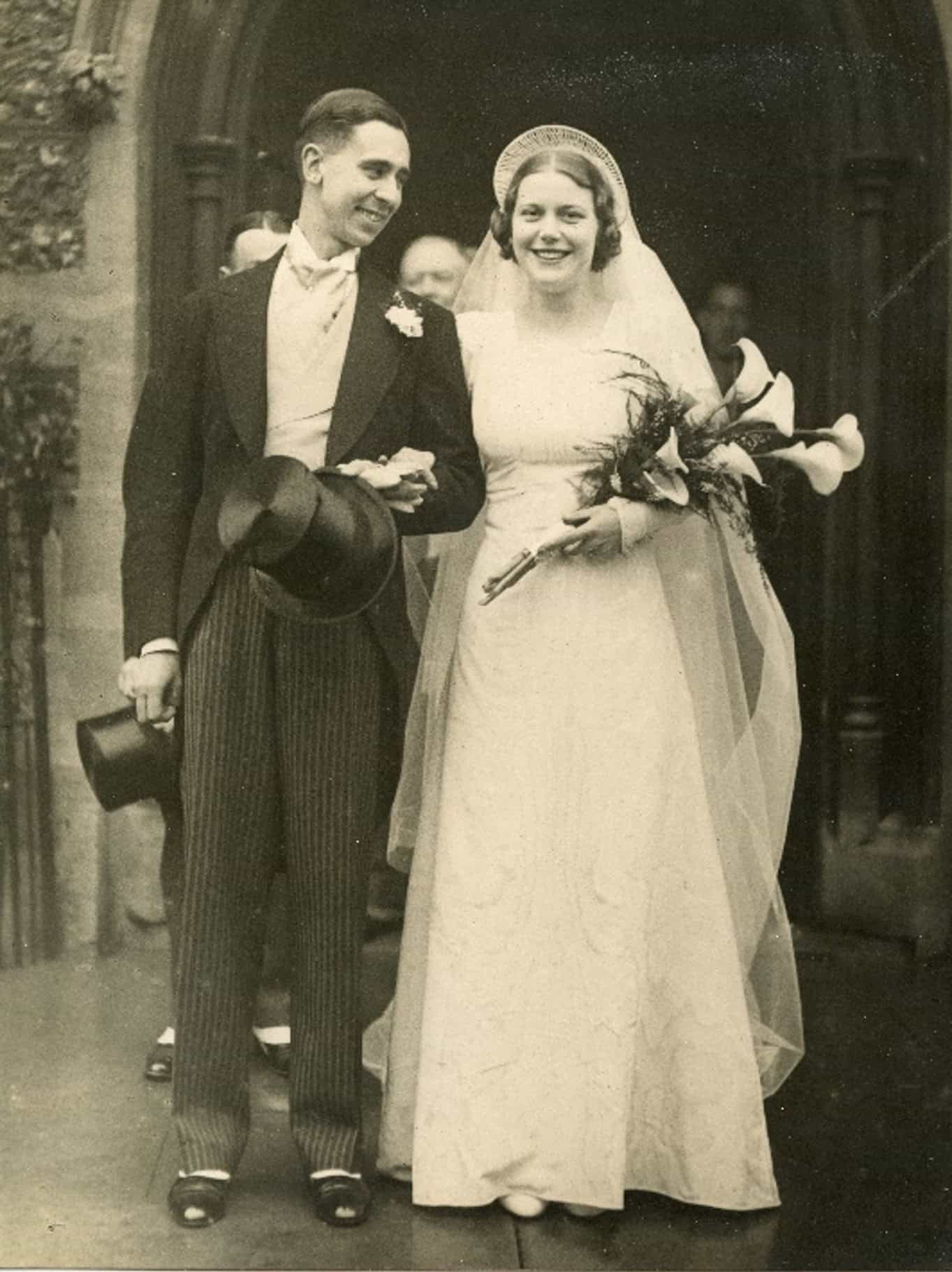
My family, that is my parents and my brother, left England in 1936 bound for Australia.
Then there was the Second World War.
My mother’s War was surprisingly liberating. In 1941 my father, the family breadwinner was unexpectedly interned, leaving my mother alone in Sydney to fend for herself and my sixyear-old brother, a very long way from familial support.
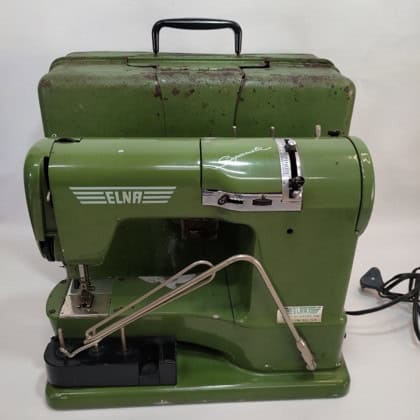
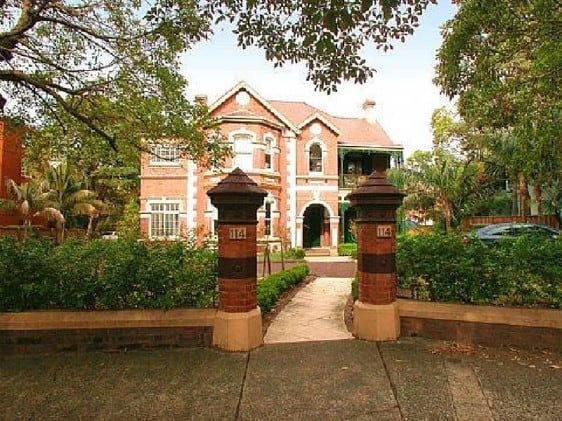
My mother, a resourceful woman with sewing skills, quickly found full-time work in a Sydney clothing factory and later with a real estate agent in Mosman, collecting rents. She enjoyed the freedom that came with walking the steep hilly streets of the surrounding suburbs during the week, as well as caring for my brother and visiting my father at the internment camp when she could.
By War’s end, my family was profoundly changed. My mother was quietly determined not to resume the servile drudgery of laying out my father’s clothes daily, as his mother had done, followed by a full day of housework—shopping, washing, ironing, cooking—interspersed with childcare. She’d experienced the freedom financial autonomy brings and, she liked it. The genie was well and truly out of the bottle.
My mother was a vivacious intelligent art-school-educated woman. My father was a gifted electrical engineer and inventor. When life settled down after the War, they hatched a plan to open a weaving school. Family folklore doesn’t reveal where my mother and father learnt to weave. Possibly from a German relative or a book?

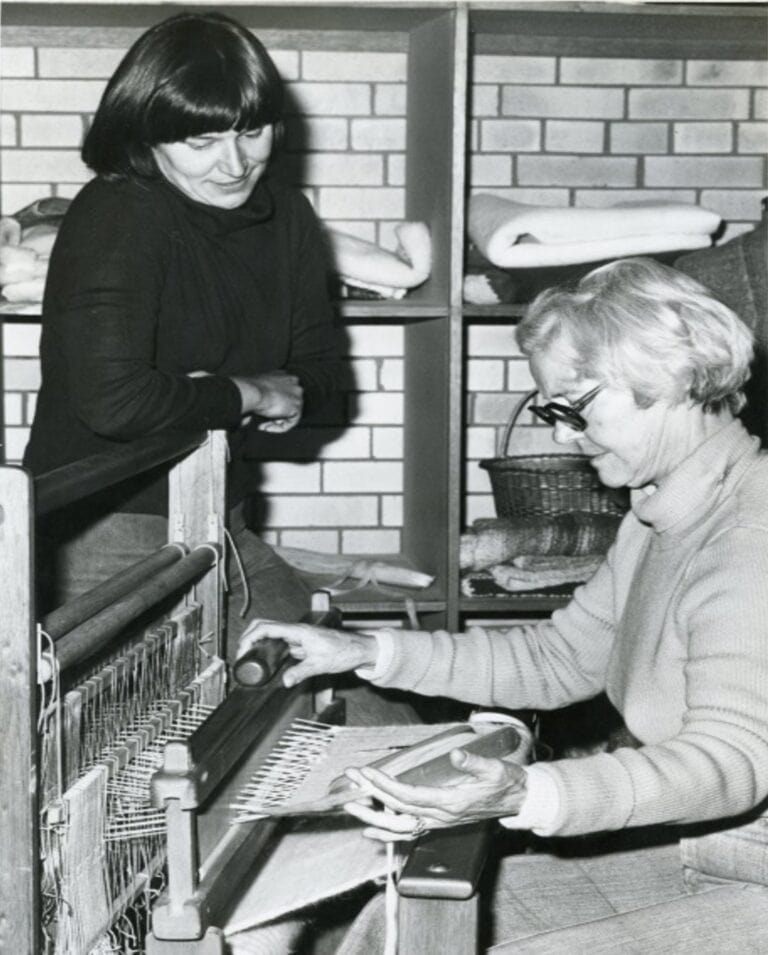
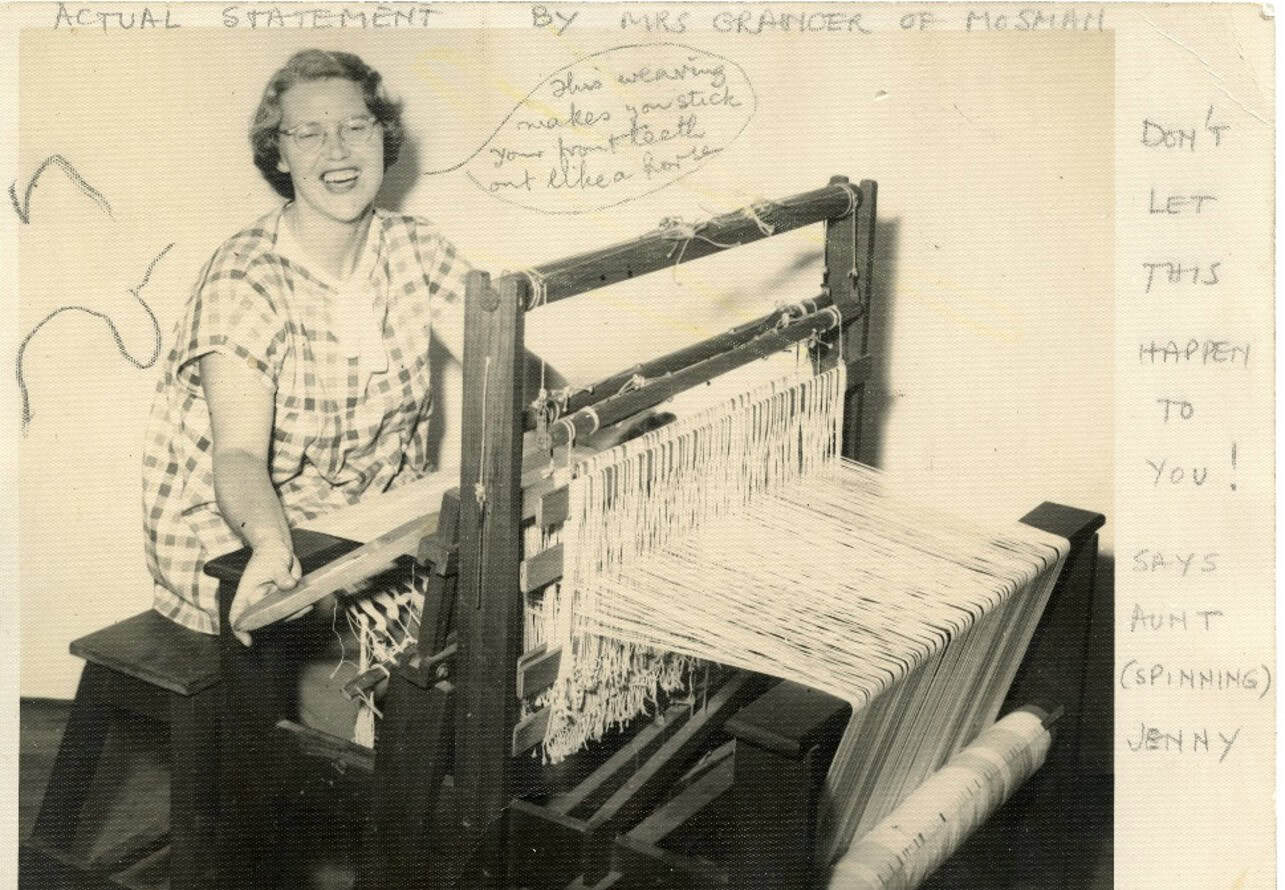
Publicity shot of my mother at her loom with my father’s humorous comments added Image: Grainger family photographs
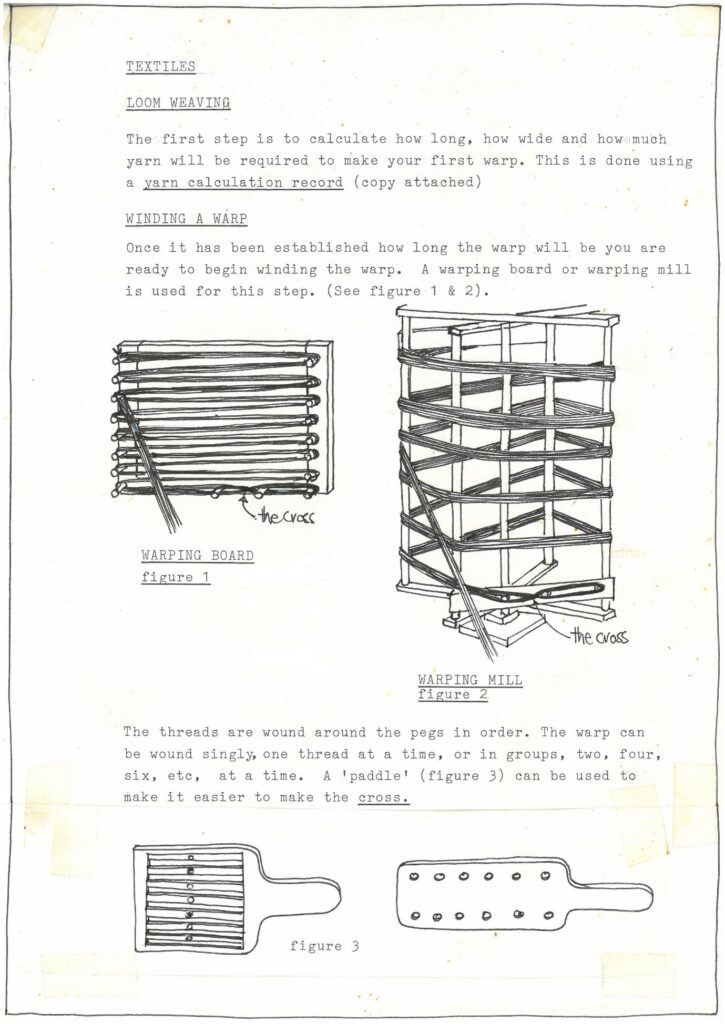
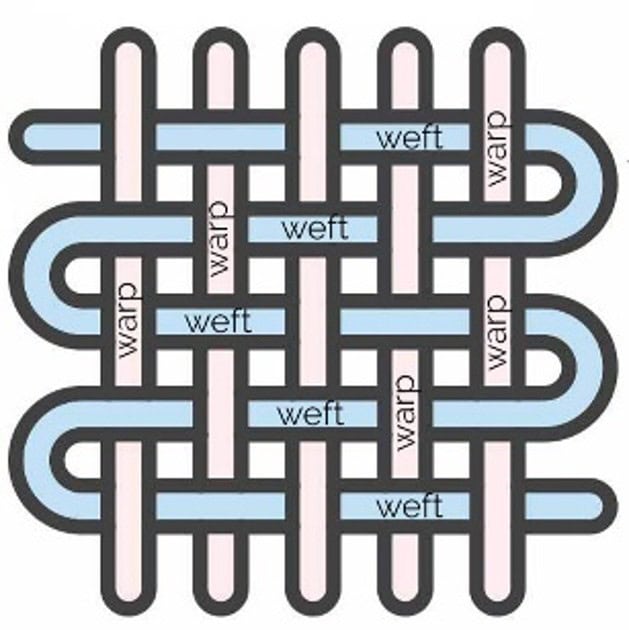
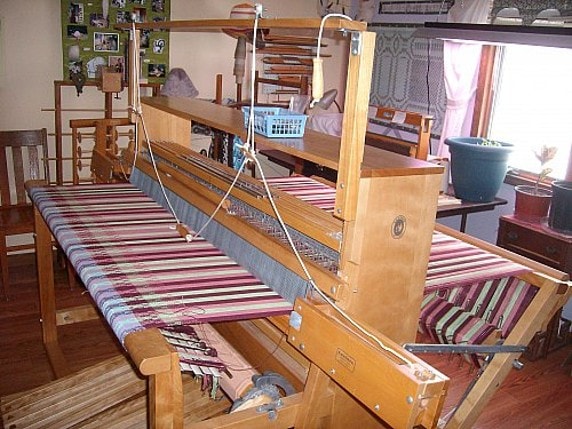
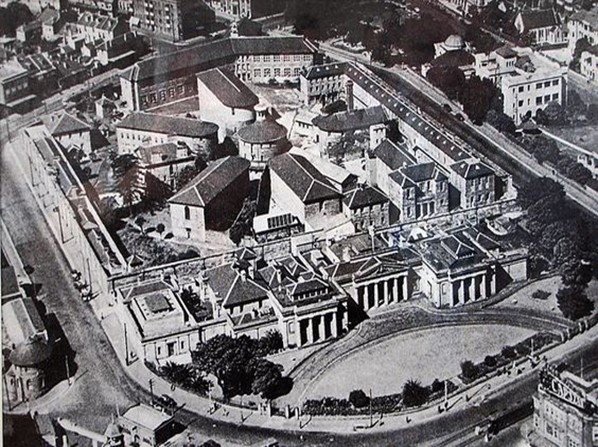
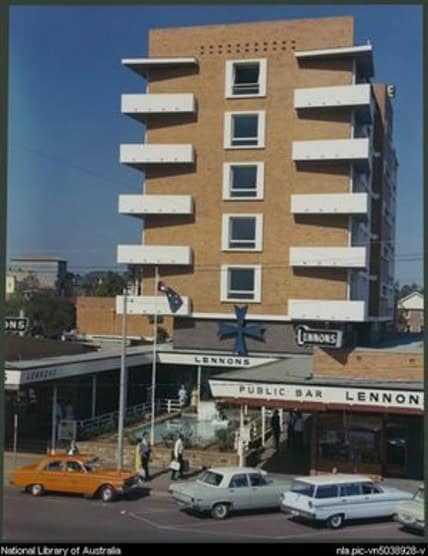
The Weaving School had its genesis on the first floor of a rickety weatherboard building at 717 Military Road Mosman, next door to the movie theatre. My father used his engineering skills to design and build both the table and floor looms, the weaving stools and warping mills as well as all the associated equipment required for their fledgling enterprise. My mother taught basic weaving skills. As her reputation grew, students came from far and wide wanting to learn to weave.
In early 1948 my parents heeded the post-war call to ‘populate or perish’ and I was conceived. My mother continued to weave away as her pregnancy progressed. To accommodate her swelling tummy, my father placed wooden blocks under the two front legs of the loom, thereby raising the breast beam. In November 1948, I was born. I’m convinced I learned to weave in utero, probably explaining why I find all aspects of the process effortless.
My earliest childhood memories are of time spent at The Weaving School. I clearly remember my mother cooking my lunch on a single burner Primus stove, perched on the stained ceramic sink in the tea-making corner of the room. She would steam a small fish fillet and a selection of fresh vegetables; beans, carrots, peas, spinach; all lightly mashed for my consumption. Unsurprisingly, steaming remains my preferred cooking method to this day.
After lunch my mother, a great believer in the benefits of fresh air, would put me down to sleep in a strange folding bed contraption draped in canvas and mosquito netting that she set up in the neighbour’s backyard. The downstairs entrance door of The Weaving School was left open so when I awoke an hour or so later, my mother could hear me stir and retrieve me.
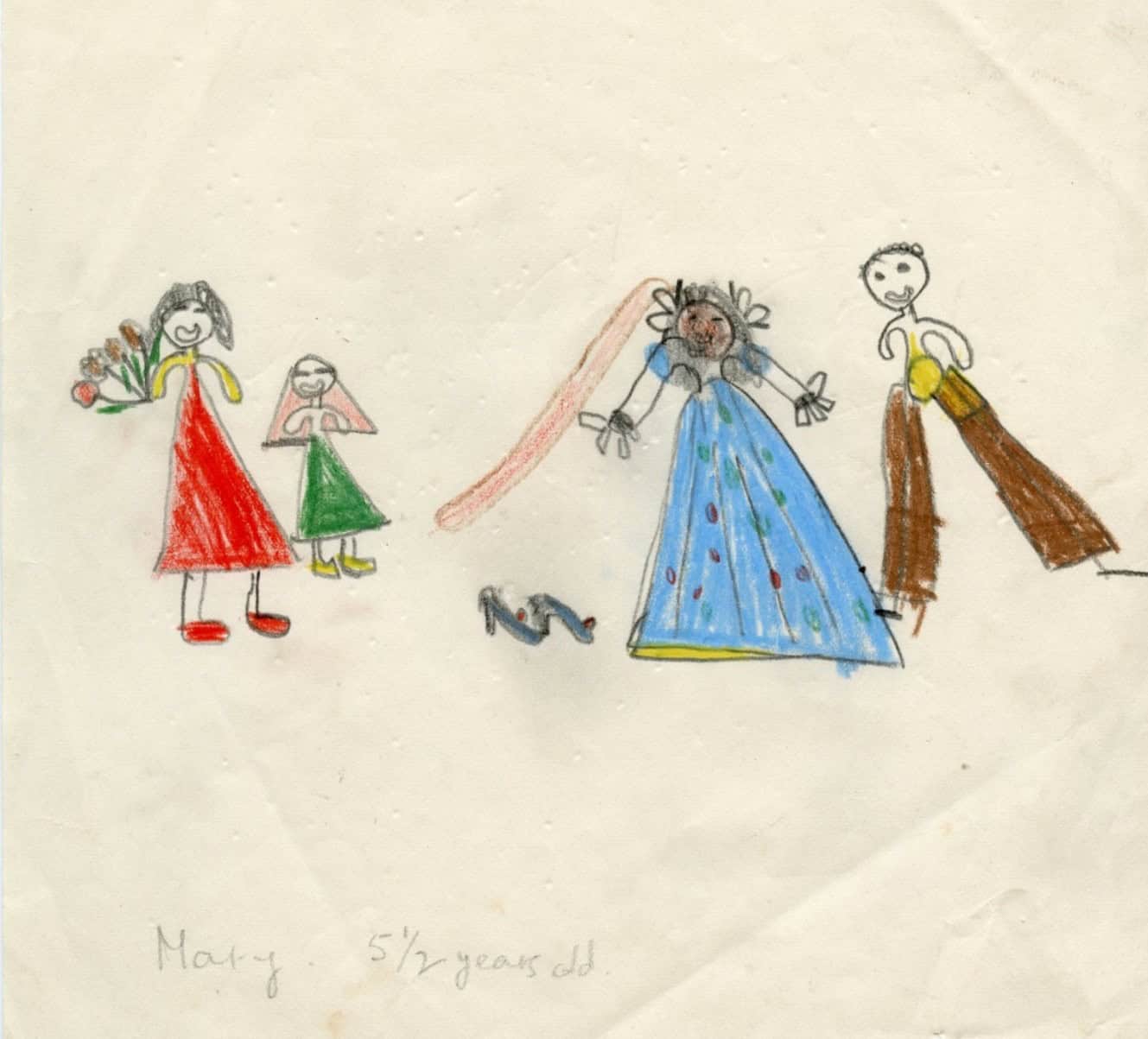
After my nap and full of beans, often literally, the creative fun started. To explain, my mother came from a seriously artistic family. For her, encouraging my creative expression was paramount. She provided a continuous supply of coloured pencils, wax crayons, paper, cardboard, paints and brushes.
Against the southern wall of The Weaving School was a dilapidated cedar chaise longue, with lumpy stuffing and tatty brown-grey upholstery, that played a pivotal role in facilitating my early creative exploration. Now, fully awake and armed with a fistful of pencils, I would clamber up onto the chaise longue and facing the wall, take up mark-making where I had left off, adding to the extant groupings of figures and flowers. I quickly grasped that drawing on the walls was permitted at The Weaving School but forbidden at home. But I remain convinced my mother’s unconstrained encouragement of my creativity, plus my genetic inheritance from her family, motivated me to later explore a career in the arts.
But I digress.
Apart from the standout memories of lunch and drawing on the wall, I have one other. I clearly remember effortlessly floating from the bottom to the top of The Weaving School’s long flight of well-worn wooden stairs. When I put myself back to that time, I once again feel the weightlessness of the experience. I remember reporting the incident to my mother in detail but I can’t recall her response of either belief or disbelief.
I like to believe my parents’ solid demonstration of how imagination, creative thinking and skills, can combine to realise dreams. And it’s a distinct possibility that their successful Weaving School venture, provided me the foundation skills as well as a tangible example of dreams fulfilled. Their venture also gave me the courage to have a go at being a selfemployed textile artist. The opportunity to ‘win my own bread’.
ON REFLECTION:
My childhood: To be honest, I’m unsure how many of my childhood memories of events are the result of hearing family stories told and retold around me, as I was growing up. But being encouraged to create was a joy-filled experience for me. Joy intensified by the broad artistic exposure my parents provided. With them I attended classical music recitals, both public and private; visited art galleries and artist’s studios and ate delicious food at a variety of ethnic restaurants. All these experiences were part of post-War Sydney’s rich cultural life, as a direct result of the influx of European immigrants, who’d escaped the horrors of World War 2.
My parents: My pre-War, immigrant parents, weathered World War 2, and went on to forge a niche enterprise in their adopted land where, emboldened by Australian Post-War optimism, they believed anything was possible and were prepared to have a crack.
On reflection, I see my early enculturation as an example of trade skills that were traditionally passed from father to son, but in my case, passed from father and mother to daughter.
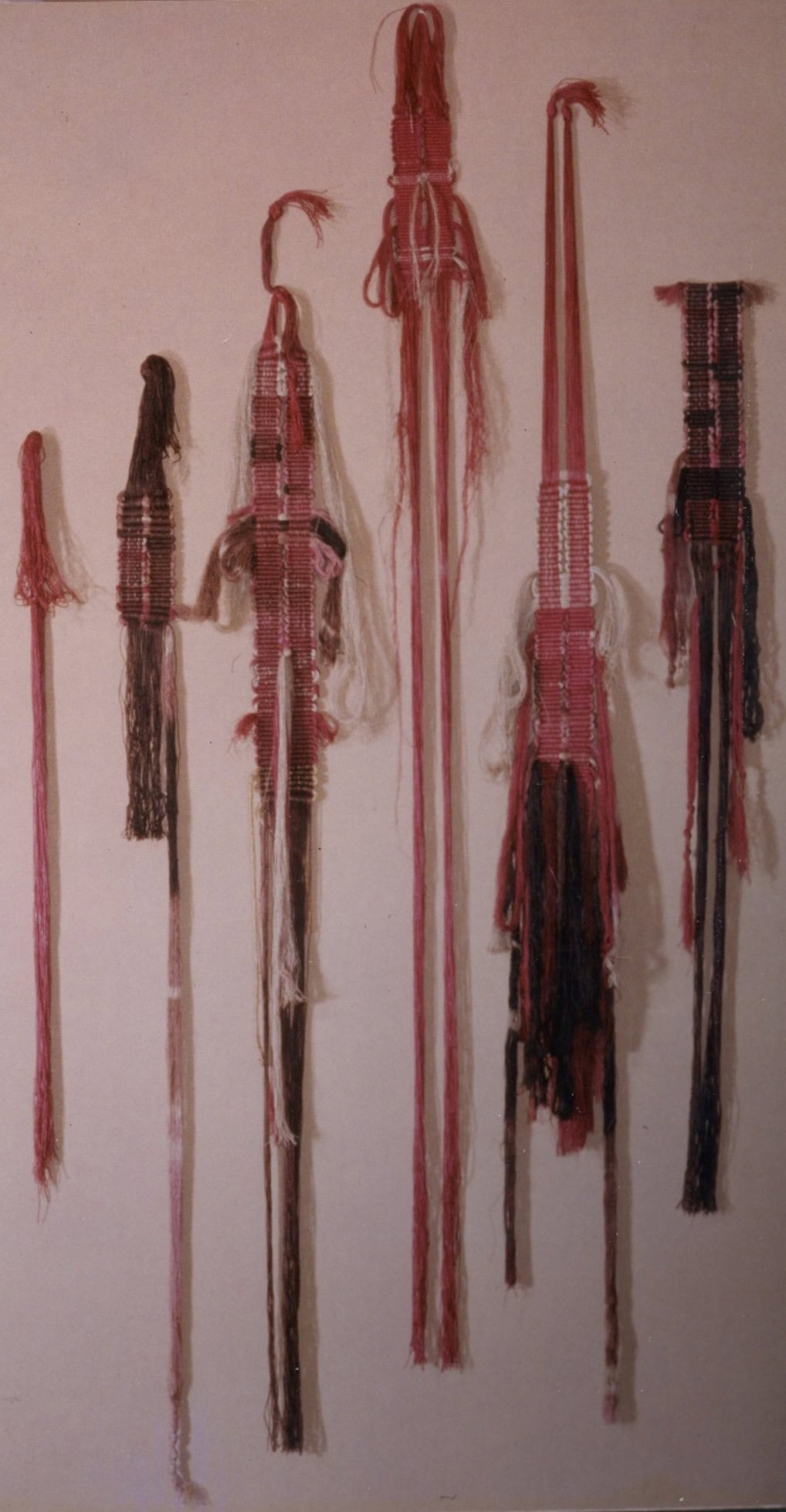
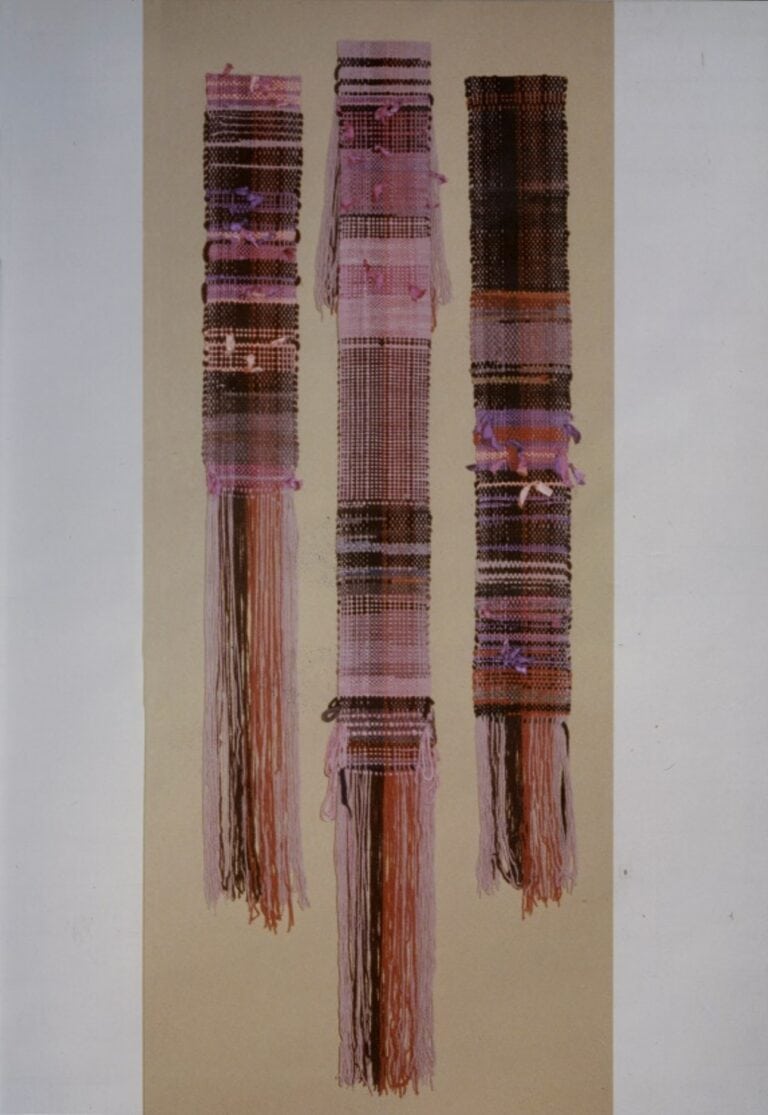
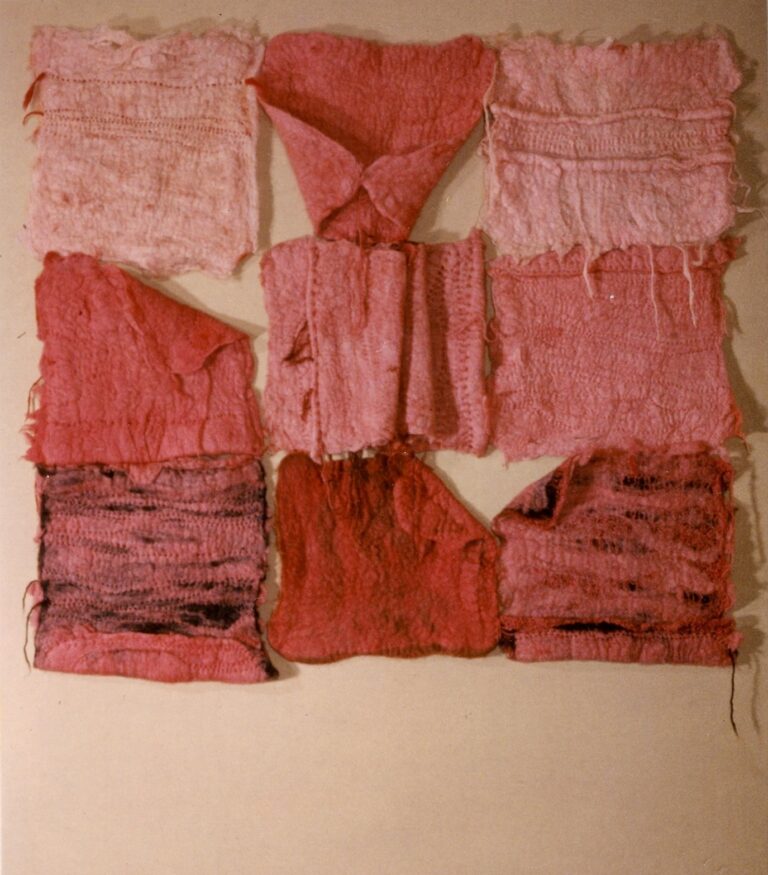
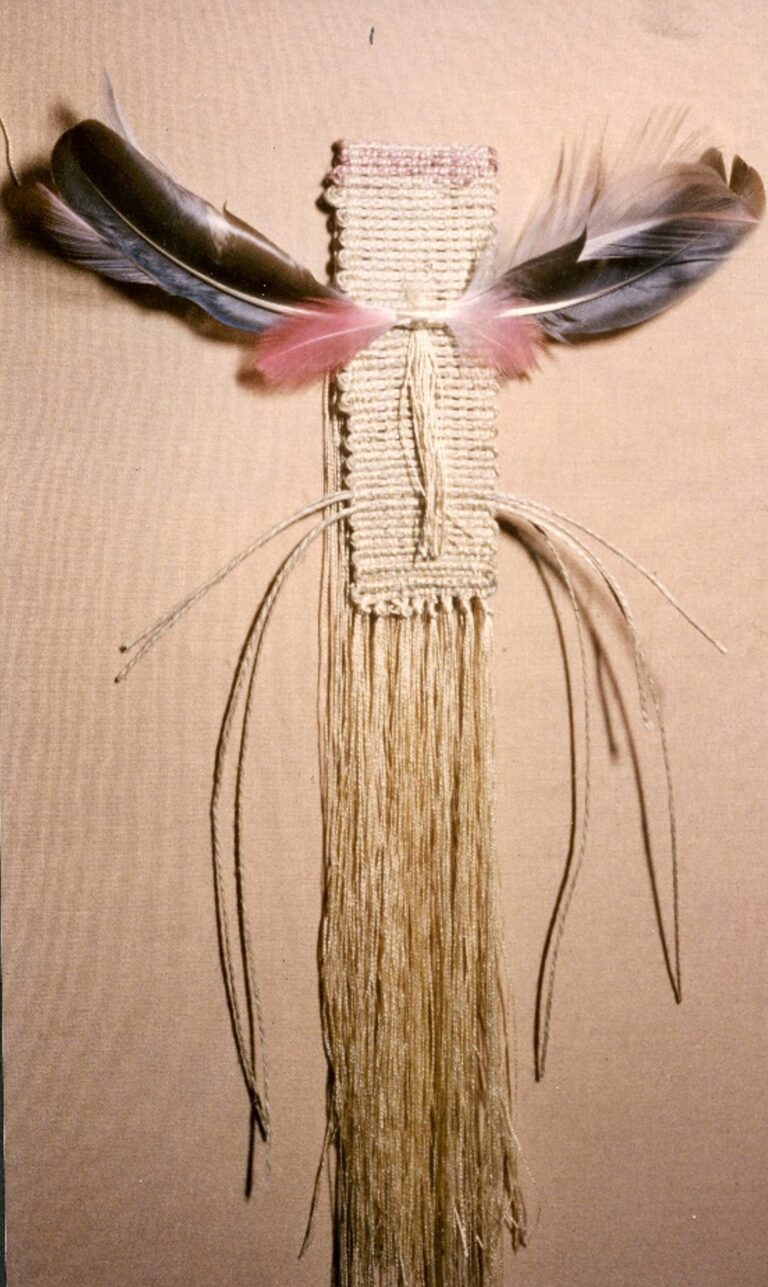
I believe the development of my mid-life career, that of producing artwork to tour, drew on the talents of both my parents, as it combined my mother’s artistic influence and my father’s problem-solving skills. Their skill sets, applied both individually and in combination, enabled me to tell our diverse stories by melding visual arts textiles, and Australian social history.